
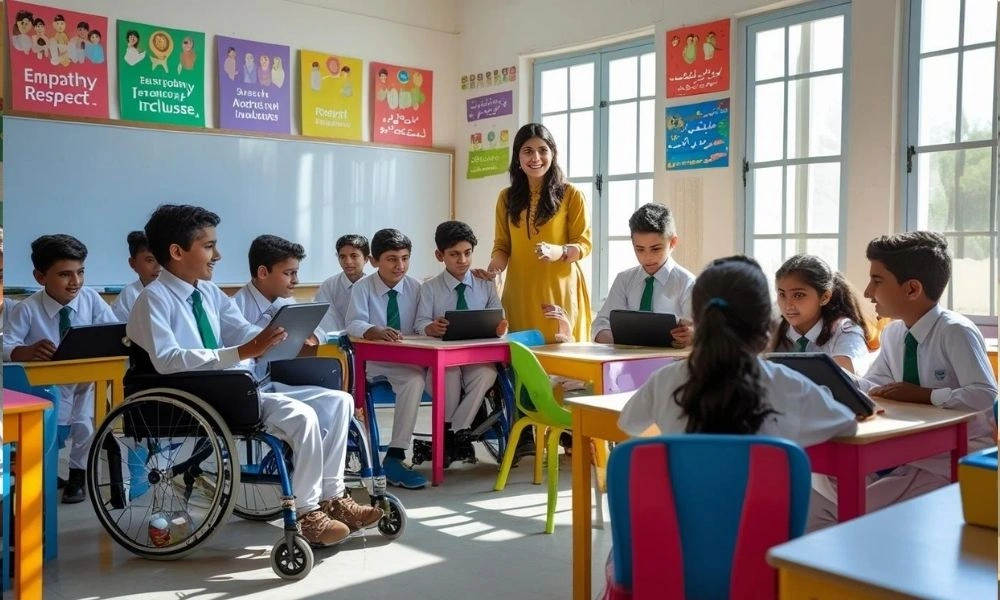
Inclusive classrooms are the foundation of a progressive education system. In this article, we share 10 proven ways to foster inclusivity using classroom inclusion techniques that support a learning environment for all students—regardless of ability, background, or learning style.
What is an Inclusive Classroom and Why Does It Matter?
Understanding Inclusive Education
An inclusive classroom is a school environment where students with different backgrounds, such as learning abilities, language, and culture, learn together. This approach not only fosters academic progress but also emotional and social growth.
Benefits of Inclusion in the Classroom:
- Fosters empathy and respect
- Supports collaborative learning
- Enhances social interaction
- Develops problem-solving and communication skills
1. How Can Teachers Promote Acceptance and Belonging?
Fostering Respect Day One
Teachers need to deliberately design a class climate in which each student feels appreciated. Start the year with class charters, class discussions, and activities that invite students to tell their stories.
Classroom inclusion strategies:
- Launch cultural days
- Employ name pronunciation practice
- Foster peer mentoring
2. How to Differentiate Instruction for Diverse Learners?
Adaptive Teaching Strategies
Employ multiple modes of teaching—visual, auditory, kinesthetic, and verbal. Design lessons that provide students with multiple avenues to absorb and express learning.
Examples:
- Audio books for auditory learners
- Graphic organizers for visual learners
- Role-play and interactive games for kinesthetic learners
3. Why Is Culturally Responsive Teaching Essential?
Connect Learning with Culture
Infusing cultural knowledge in the classroom enhances engagement. Students’ backgrounds should be aligned with content to make learning more meaningful.
Tip:
Make sure to include stories, proverbs, or situations from various regions to include all voices.
4. How to Use Technology for Inclusion?
Digital Tools for Support
Technology closes learning gaps. Speech-to-text, screen readers, and adaptive testing guarantee that students with learning disabilities are not disadvantaged.
Recommended Tools:
- Google Classroom for tracking tasks
- Kahoot for quizzes
- Grammarly for language support
5. What Is the Role of Classroom Design?
Building Inclusive Physical Spaces
The seating arrangement should facilitate free movement for all students. Eliminate physical barriers, offer quiet corners to neurodiverse students, and employ visuals to support learning.
Inclusion techniques in classrooms are:
- Color-coded materials
- Labeled zones (e.g., quiet zone, activity zone)
- Movement-friendly layout
6. How Can Collaborative Learning Promote Inclusion?
Group Work and Peer Engagement
Collaboration helps students learn to work with peers who think, communicate, or behave differently. Group diverse learners together so they can develop empathy and teamwork.
Best Practices:
- Rotate group roles (leader, note-taker, presenter)
- Utilize reflection sheets after the activity
- Encourage inclusive language
7. How Do You Handle Behavioral Differences?
Positive Reinforcement Techniques
Inclusive classrooms organize behavior without exclusion. Implement positive behavior support plans, calming strategies, and restorative justice strategies rather than punishment.
Learning environment for all needs:
- Clearly posted rules
- Positive feedback charts
- Reflection time rather than detention
8. What Kinds of Assessments Foster Equity?
Alternative Assessments
Employ flexible evaluation strategies. Rather than tests that fit all, use portfolios, presentations, or oral exams tied to student strengths.
Assessment Strategies:
- Rubrics for clear expectations
- Weekly feedback sessions
- Open-book or collaborative exams
9. How Important Is Parent and Guardian Involvement?
Build a Home-School Bridge
Parents play a crucial role in reinforcing inclusivity. Regularly communicate with families using accessible language and involve them in school events.
Tips:
- Provide translated newsletters
- Host parent-teacher workshops
- Involve parents in cultural or awareness days
10. Why Should Students Be Given a Voice?
Student-Led Decisions and Discussions
Let students express what helps them learn best. This feedback loop makes them feel heard and increases engagement.
Try These Ideas:
- Suggestion boxes
- Class council
- Learning journals
Utilizing TaleemPro.pk to Facilitate Inclusive Education
If you’re a school principal or teacher in Pakistan, TaleemPro.pk facilitates the implementation of these 10 tried-and-tested practices to develop inclusive classrooms. From data management of students to customized learning reports, our Education & Learning Management System supports an inclusive learning environment for all. Its tools of classroom inclusion are the tracking of attendance, personal messaging, and multi-format evaluations, giving equal attention to each child.
TaleemPro.pk is already equipping over 10 schools with its high-end classroom modules. With capabilities such as role-based access, report customization, and dynamic feedback loops, it’s your digital partner in inclusive education.
Going back to the Title for SEO Boost
Let’s reflect again on our main theme. “10 Proven Ways to Build Inclusive Classrooms” is not just a title—it’s a mission. By applying classroom inclusion techniques through digital tools like TaleemPro.pk, schools can foster a learning environment for all.
Use these tips in your own classrooms, and you’ll see not only higher academic performance but also a richer, more compassionate school culture.
Frequently Asked Questions (FAQs)
1. What is an inclusive classroom in a school setting?
An inclusive classroom integrates students of all abilities, cultures, and backgrounds, promoting equal learning opportunities and respect for diversity.
2. How can teachers make students feel accepted and valued?
Teachers can create inclusive classrooms by building class charters, hosting cultural days, encouraging peer mentoring, and respecting every student’s story and identity.
3. What are the most effective ways to differentiate instruction?
Use various teaching methods like visual aids, audiobooks, games, and hands-on activities to cater to different learning styles and needs.
4. Why is culturally responsive teaching important?
It connects learning to students’ real lives and cultures, improving engagement and helping students see their identity reflected in the curriculum.
5. How can digital tools support inclusive education?
Tools like Google Classroom, Kahoot, and screen readers help bridge learning gaps, making lessons accessible to students with diverse needs and abilities.
6. What classroom design supports inclusion best?
Flexible seating, labeled zones (like quiet areas), and a barrier-free layout accommodate neurodiverse students and physical mobility needs.
7. How should teachers address behavioral differences inclusively?
Use positive reinforcement, reflection strategies, and behavior support plans instead of punishments, ensuring every student learns in a safe, respectful space.
8. What are alternative assessments for inclusive classrooms?
Portfolios, oral exams, open-book tests, and student presentations allow learners to demonstrate knowledge in ways that fit their strengths.
9. Why is parental involvement essential for inclusive learning?
Families reinforce inclusive values. Sharing translated updates, involving them in school events, and regular communication boost student success.
10. How do students benefit from having a voice in the classroom?
When students contribute ideas and feedback, they feel empowered. It increases ownership of learning and strengthens classroom relationships.