Have you ever wondered how educational institutions will manage students in the future? As the digital landscape continues to evolve, Student Management Systems (SMS) are playing a pivotal role in reshaping education across Pakistan. The education sector is embracing technology at an unprecedented pace, and SMS is at the heart of this transformation.
The way educational institutions manage student data, track performance, and streamline administrative tasks is about to undergo a massive shift. From AI-powered systems to data-driven insights, the trends in Student Management Systems are set to change the entire educational ecosystem.
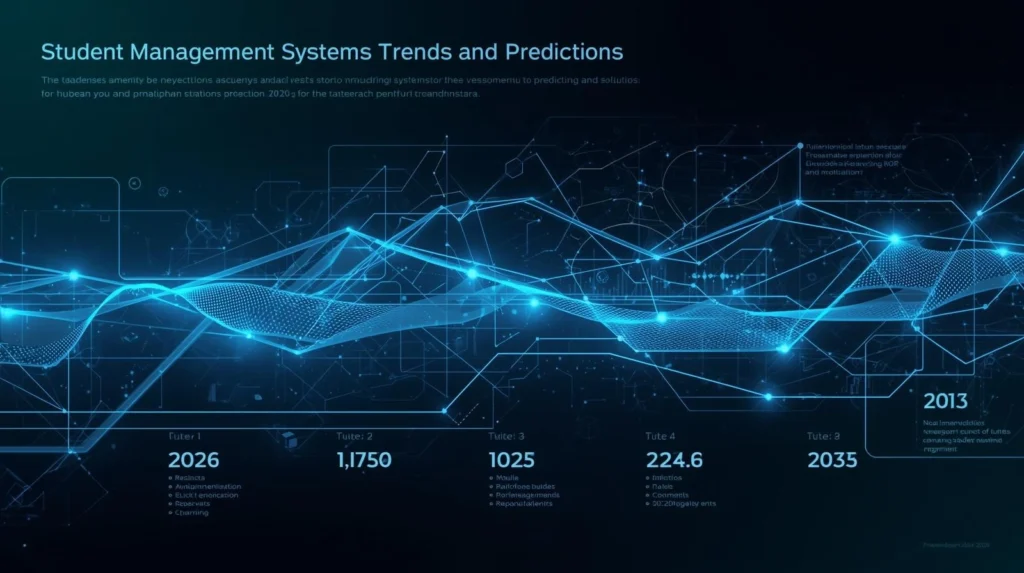
In this post, we will explore the key trends and predictions for Student Management Systems from 2026 to 2035, providing valuable insights into what educational institutions in Pakistan can expect.
What are the Key Trends in Student Management Systems for 2026-2035?
As the next decade unfolds, Student Management Systems (SMS) will continue to evolve and shape how educational institutions function. Here are the key trends expected to dominate SMS during this period.
1. AI and Automation: The Future of Student Management
Artificial intelligence (AI) and automation are set to be game-changers in SMS. With the ability to analyze vast amounts of student data, AI can assist in personalized learning, predict student outcomes, and automate administrative tasks such as grading and scheduling.
For example, AI can analyze patterns in student performance and recommend individualized learning plans, helping teachers identify at-risk students early on. In Pakistan, where educational resources are often limited, AI-driven SMS can significantly reduce the burden on staff and improve overall efficiency.
Pro Tip: Schools and universities in Pakistan should consider adopting AI-powered SMS solutions that integrate with their existing infrastructure to automate administrative tasks and improve student engagement.
2. Cloud-Based Solutions: Access Anywhere, Anytime
The shift to cloud-based Student Management Systems has already begun, and by 2035, it will be the standard. Cloud solutions offer flexibility, scalability, and cost-effectiveness, especially for institutions in Pakistan, where infrastructure may not always be reliable.
Cloud-based SMS allow educators, administrators, and students to access information from anywhere, at any time. This fosters collaboration, remote learning, and real-time updates, enhancing the educational experience.
Real-world Example: Many universities in Pakistan are already moving towards cloud-based systems, such as the University of the Punjab, which has adopted cloud solutions to streamline administrative tasks and improve communication with students.
3. Integration with Learning Management Systems (LMS)
By 2035, integration between Student Management Systems (SMS) and Learning Management Systems (LMS) will be seamless. While SMS focuses on administrative functions like tracking attendance and grades, LMS provides the platform for course delivery and student engagement.
The integration of SMS and LMS will create a unified platform that allows educators to monitor both academic performance and engagement levels. This integration is especially important for institutions in Pakistan, where managing large student populations is a challenge.
Expert Insight: Educational institutions in Pakistan should invest in platforms that offer both SMS and LMS functionalities to enhance the learning experience for students and ease administrative burdens.
4. Data-Driven Decision Making
Data-driven decision-making is poised to become the backbone of future SMS. By analyzing data on student performance, attendance, and behavior, institutions can make informed decisions about curriculum changes, teacher effectiveness, and resource allocation.
In Pakistan, where educational institutions often struggle with limited resources, using data to make decisions can lead to better outcomes. Predictive analytics, powered by AI, will help identify students who need additional support and provide insights into the effectiveness of teaching methods.
Pro Tip: Schools and universities should prioritize implementing data analytics tools within their SMS to track key performance indicators and make data-driven decisions that improve student outcomes.
5. Enhanced Mobile Integration
The next decade will see the continued rise of mobile-integrated Student Management Systems. With smartphones becoming ubiquitous, students, parents, and teachers will expect SMS solutions to be mobile-friendly, enabling real-time updates on attendance, grades, and assignments.
In Pakistan, where mobile usage is skyrocketing, SMS platforms that offer mobile apps will significantly enhance the experience for all stakeholders, ensuring accessibility and engagement.
Real-world Example: Many schools in Pakistan have already adopted mobile-based SMS apps that allow parents to monitor their children’s progress and communicate with teachers directly.
What Impact Will These Trends Have on Educational Institutions in Pakistan?
1. Improved Efficiency and Reduced Workload for Administrators
With automation, cloud solutions, and AI, SMS will dramatically reduce the workload of administrative staff in Pakistan’s schools and universities. By eliminating manual data entry and automating tasks like scheduling and grading, institutions will free up time for educators to focus on teaching rather than administrative duties.
Pro Tip: Implementing a fully integrated SMS that combines administrative functions with communication tools can help educational institutions in Pakistan boost efficiency and cut down on errors.
2. Enhanced Student Experience and Engagement
With personalized learning through AI and mobile integration, SMS will offer a more engaging and student-centric experience. In Pakistan, where engagement and retention are key challenges, SMS platforms that provide instant feedback and learning recommendations can significantly improve student outcomes.
Expert Insight: To maximize the impact of SMS on student engagement, educational institutions in Pakistan should look for systems that offer real-time notifications, gamified elements, and personalized learning experiences.
3. Cost Savings for Institutions
Cloud-based SMS solutions, especially those that are AI-powered, will allow educational institutions in Pakistan to reduce costs associated with on-premise infrastructure. These solutions will also cut down on administrative staffing needs, resulting in further savings.
Pro Tip: Educational institutions should look for SMS solutions that offer subscription-based pricing models to reduce upfront costs and pay only for the services they need.
Conclusion
The future of Student Management Systems in Pakistan looks promising. From AI-powered personalization to cloud-based solutions, the trends emerging over the next decade will revolutionize how institutions manage students, enhance engagement, and improve administrative efficiency.
Educational institutions in Pakistan should prepare for these changes by adopting SMS platforms that leverage AI, cloud computing, and data analytics. By doing so, they will not only streamline operations but also provide a better educational experience for students.
Call to Action: Ready to transform your institution’s student management system? Start exploring cloud-based SMS solutions that integrate AI and data analytics, and stay ahead of the curve. Don’t let your institution fall behind – the future of education is now!
Talk to Our Experts Today
Instant support or book a free demo
FAQ Section
1. What is a Student Management System (SMS)?
A Student Management System (SMS) is a digital platform used by educational institutions to manage student data, including attendance, grades, schedules, and communication with parents and students.
2. How will AI impact Student Management Systems in the next decade?
AI will enable SMS to automate administrative tasks, personalize learning, and predict student outcomes, improving efficiency and student engagement in educational institutions.
3. What is the role of cloud computing in SMS?
Cloud computing will allow educational institutions to access SMS from anywhere, improve collaboration, and reduce costs associated with on-premise infrastructure.
4. How will SMS trends affect students in Pakistan?
SMS trends will improve student engagement by offering personalized learning experiences, real-time feedback, and mobile access to performance data.
5. What are the benefits of integrating SMS with Learning Management Systems (LMS)?
Integrating SMS with LMS will provide a unified platform for managing both academic performance and student engagement, enhancing the learning experience.
6. How can educational institutions in Pakistan prepare for SMS trends?
Educational institutions in Pakistan should start exploring AI-driven, cloud-based SMS platforms that integrate data analytics, mobile access, and personalized learning tools.
7. Will SMS trends reduce costs for educational institutions in Pakistan?
Yes, by adopting cloud-based SMS solutions, educational institutions can reduce infrastructure and staffing costs while improving operational efficiency.