
Is your school ready for the future of education?
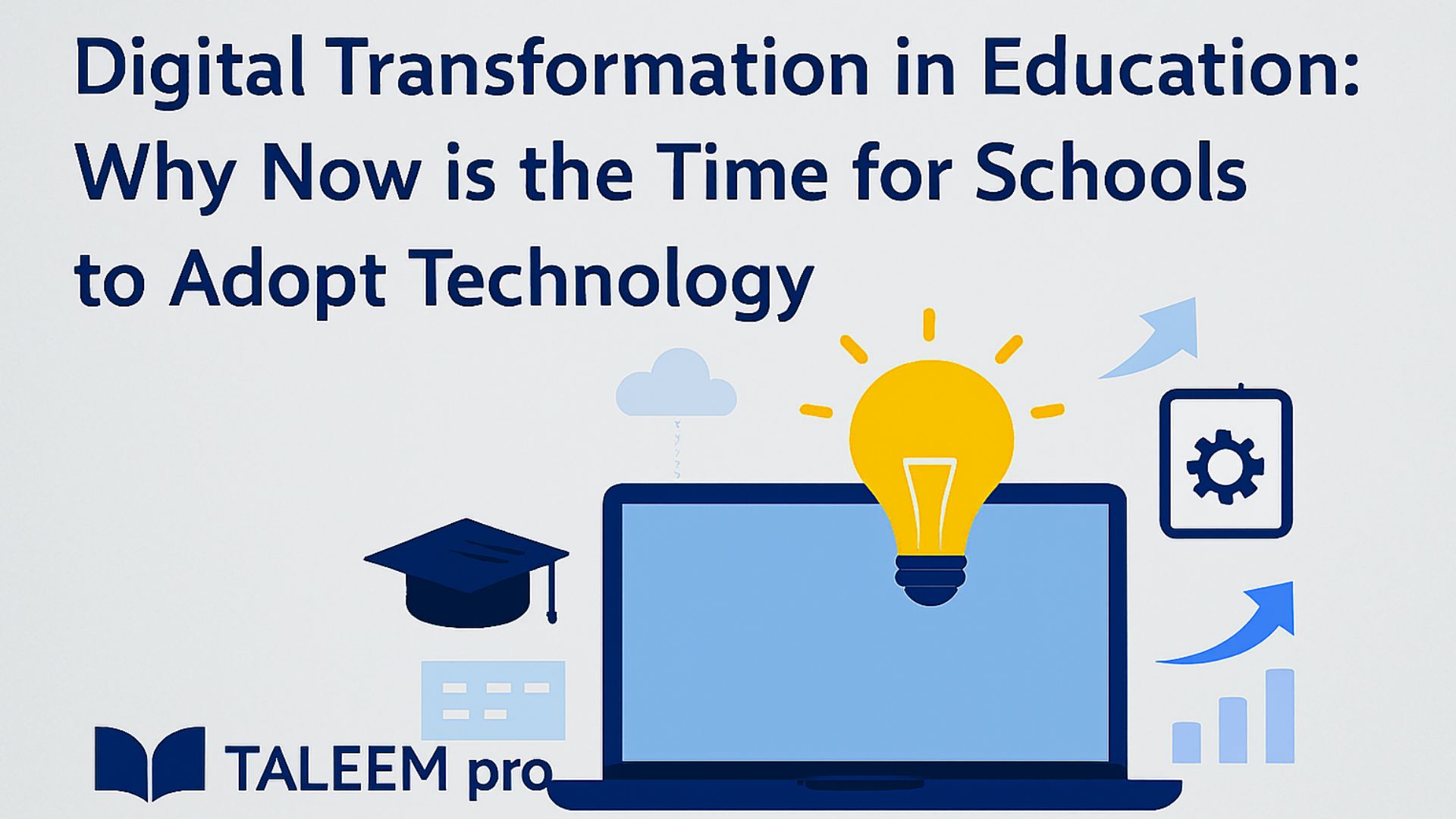
Education has been evolving for centuries, but the current pace of change driven by technology is unparalleled. The rise of Education Technology is revolutionizing the way we teach, learn, and manage educational institutions. Schools, from primary through to higher education, are increasingly recognizing the need to adapt and integrate technology into their daily operations. But why is this the right time for schools to undergo Digital Transformation in Education? Why is it not something to delay, but something to embrace right now?
In this blog, we’ll explore why schools need to embrace Digital Transformation in Education now, the benefits of adopting technology, and how schools can take advantage of the opportunities that modern Digital Schools offer.
Talk to Our Experts Today
Instant support or book a free demo
What is Digital Transformation in Education?
What does Digital Transformation mean for schools?
Digital Transformation in Education refers to the integration of digital technology into all aspects of the educational process. This transformation goes beyond just having computers in classrooms or offering online courses. It involves a fundamental change in how schools operate, deliver content, and engage students. From using Education Technology to improve learning experiences to optimizing administrative operations, digital transformation creates smarter, more efficient, and effective educational environments.
At its core, Digital Transformation is about leveraging technology to enhance teaching and learning. It’s about using digital tools to create new opportunities for students and teachers alike. This includes implementing Digital Schools systems that manage everything from administrative tasks and learning content to communication between educators, students, and parents.
Key Components of Digital Transformation in Education:
- Cloud-Based Solutions: Accessing resources, student records, and learning materials via cloud platforms, making them available anytime, anywhere.
- E-Learning Tools: Interactive learning platforms, video lectures, and collaborative tools for enhancing classroom engagement.
- Automated Administrative Systems: Digital systems for attendance tracking, grading, and communication.
Data Analytics: Collecting and analyzing data to monitor student progress, customize learning, and make data-driven decisions.
Digital transformation in education goes beyond just using technology in the classroom. It’s about creating a digitally connected, agile, and responsive educational ecosystem.
Why Now is the Perfect Time for Schools to Adopt Technology?
What’s driving the urgency for schools to adopt technology?
Technology is no longer optional—it’s a necessity. The recent global challenges, such as the COVID-19 pandemic, have made it clear that technology plays a critical role in ensuring educational continuity. Remote learning, online assessments, and digital classrooms became the lifeline for millions of students worldwide. As we continue to face global uncertainties, educational institutions must modernize to stay competitive and relevant.
Moreover, the education sector is experiencing a rapid shift toward Digital Schools. Parents, students, and educators are becoming increasingly familiar with the benefits of online learning and digital resources. Schools that don’t adapt risk falling behind in an increasingly tech-savvy world.
Here are a few reasons why now is the time for schools to embrace Education Technology:
- Globalization and Connectivity: Education is no longer confined by geographical boundaries. Schools are increasingly connecting with global learners through digital platforms, making it essential to adopt technology for wider reach and diversity.
- Student Expectations: Today’s students, who are part of the “digital native” generation, expect interactive, technology-enabled learning experiences. Schools must cater to these expectations by adopting the latest Education Technology.
- Increased Efficiency: Digital transformation allows schools to operate more efficiently by automating administrative tasks like attendance, grading, and scheduling. This frees up time for educators to focus on student learning.
- Cost-Effectiveness: Investing in technology can lead to long-term cost savings. With digital tools, schools can reduce expenses related to paper, books, and administrative staff, while increasing access to learning materials.
- Real-Time Communication: Technology enables better communication between students, parents, and teachers. Real-time notifications, messaging, and updates allow everyone to stay informed and engaged.
How Can Digital Transformation Improve Student Learning?
How does technology enhance the learning experience for students?
At its heart, Education Technology is designed to improve the learning experience for students. It helps create a more engaging, personalized, and interactive environment where students are motivated to learn and take ownership of their educational journey.
Here are some ways Digital Schools are enhancing student learning:
- Personalized Learning: Technology allows educators to tailor lessons to individual students’ learning styles and needs. Platforms that adapt to the pace of each student ensure no one is left behind, fostering a more inclusive learning environment.
- Interactive Tools: Digital tools like gamification, virtual labs, and interactive whiteboards make learning more fun and engaging. These tools allow students to visualize complex concepts and develop critical thinking skills in a hands-on way.
- Access to a Global Knowledge Pool: With the internet and digital resources, students have access to a wealth of knowledge from around the world. Online courses, videos, and research databases enable deeper learning and exploration.
- Collaboration and Communication: Digital platforms allow students to collaborate on projects, share ideas, and communicate easily with their peers and instructors, even outside of class hours. This fosters teamwork and builds communication skills.
The integration of Digital Transformation in Education ensures that students are better equipped to thrive in the digital age, with skills that are not only useful in the classroom but also in their future careers.
How Does Technology Help Schools Improve Administrative Efficiency?
How can adopting digital tools streamline administrative tasks?
Managing school operations manually can be an overwhelming task. From attendance tracking to report generation, the administrative workload in schools can be daunting. Technology allows schools to automate many of these processes, leading to improved efficiency and reduced human error.
By adopting Digital Schools solutions, schools can streamline tasks such as:
- Automated Attendance: Instead of manually tracking student attendance, digital systems can automatically mark attendance using biometrics or online check-ins, reducing administrative time and error.
- Grade Management: Teachers can input grades digitally, and the system can automatically generate report cards, reducing the need for manual data entry and paper-based records.
- Communication Systems: Technology allows for easier communication between teachers, students, and parents. School management systems and messaging apps can send real-time updates and reminders, improving overall communication.
- Fee Management: Schools can manage fees, payments, and invoices digitally, automating the process and minimizing financial errors.
With these administrative processes automated, school staff can focus more on the quality of education and student support rather than spending time on paperwork and clerical tasks.
What Are the Benefits of Cloud-Based Solutions in Education?
Why should schools switch to cloud-based technology?
Cloud-based Education Technology platforms are playing an increasingly important role in Digital Transformation. The cloud allows schools to store and access data securely and efficiently, with the added advantage of being able to access it from anywhere at any time.
Key benefits of cloud-based solutions include:
- Remote Access: Teachers and students can access learning materials and records remotely, making it easier to collaborate and learn from anywhere, especially in times of disruption.
- Cost-Effective Storage: The cloud reduces the need for physical storage and the associated maintenance costs. Schools can store vast amounts of data without worrying about infrastructure costs.
- Scalability: Cloud solutions are highly scalable, allowing schools to grow their digital infrastructure as needed without significant upfront investment in hardware or IT resources.
- Security: Cloud providers implement robust security measures, ensuring that sensitive student data is protected from unauthorized access or data breaches.
By embracing cloud-based technology, schools can enjoy improved efficiency, security, and scalability, all while reducing costs.
Talk to Our Experts Today
Instant support or book a free demo
Conclusion
Digital Transformation in Education is no longer just an option—it’s a necessity. The current pace of technological advancement means that schools must adapt quickly or risk falling behind. By adopting Education Technology and transitioning to Digital Schools, schools can improve learning outcomes, enhance administrative efficiency, and prepare students for the future.
Now is the perfect time for schools to embrace the digital revolution and ensure they remain competitive in an ever-evolving educational landscape.
FAQs: Digital Transformation in Education
Q1: How long does it take for a school to adopt digital transformation?
A: The timeline for digital transformation varies depending on the size of the school and the complexity of the systems being implemented. However, with proper planning, schools can begin seeing improvements within a few months of adopting digital tools.
Q2: Does digital transformation require a large budget?
A: While initial costs for adopting Education Technology can vary, many solutions are affordable and scalable. Schools can start small and gradually expand their digital infrastructure as they see the benefits.
Q3: What types of technology should schools invest in first?
A: Schools should prioritize tools that enhance classroom learning (e.g., interactive whiteboards, learning management systems), streamline administrative tasks (e.g., school management software), and improve communication (e.g., parent-teacher portals).
Q4: Is digital transformation in education only for large schools?
A: No, digital transformation is beneficial for schools of all sizes. Small and medium-sized schools can leverage Cloud ERP systems and online learning tools to improve efficiency, engage students, and reduce costs.
Q5: How does digital transformation affect students’ future careers?
A: Students who are exposed to technology and digital learning tools are better prepared for the workforce. They develop valuable skills like critical thinking, problem-solving, and digital literacy, which are in high demand across industries.